Hydrogen is one of the common impurities found in molten steel, and it is often desirable to remove it from the steel before final casting. The presence of hydrogen in steel can cause multiple problems, such as hydrogen embrittlement, blistering, and other defects. Therefore, many steelmaking processes include hydrogen removal as a critical step to ensure the quality of final product.
There are multiple ways to remove hydrogen from molten steel, such as vacuum degassing, argon purging, ladle treatment, and so on. In this article, we will focus on the vacuum degassing process, which is one of the most widely used methods for removing hydrogen from molten steel.
Vacuum Degassing:
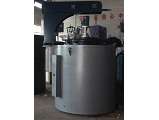
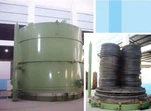
Vacuum degassing is a process in which molten steel is subjected to a low-pressure atmosphere of typically less than one torr, which causes the dissolved gases such as hydrogen and nitrogen to escape from the steel into the vacuum. The process is usually carried out in a vacuum vessel, which is designed to withstand the low-pressure environment and high temperatures of the molten steel.
The vacuum degassing process involves multiple stages, including heating, vacuum application, stirring, and pressure recovery. Each step plays a crucial role in removing hydrogen from the steel, and a high degree of precision is required throughout the process to achieve the desired results.
Heating:
The first step in vacuum degassing is to heat the molten steel to a specific temperature, typically between 1600°F and 1700°F. This temperature range is essential to ensure that the hydrogen and other gases are released from the steel and can be removed effectively.
Vacuum Application:
After heating the steel, the next step is to apply a vacuum to the vessel. The vacuum creates a low-pressure environment, which causes the gases to escape from the steel into the vacuum. Typically, a vacuum level of less than one torr is used, and the pressure is maintained throughout the stirring and pressure recovery stages of the process.
Stirring:
During the vacuum degassing, the steel is often stirred to facilitate the release of gases from the steel. The stirring can be done mechanically or by injecting argon or other inert gas into the vessel. The goal of the stirring is to create turbulence in the steel and promote the escape of gases from the liquid steel.
Pressure Recovery:
After the desired vacuum level is achieved, the vessel is sealed, and the pressure is recovered to atmospheric pressure. This step is crucial as sudden changes in pressure can lead to splashing, which can reabsorb gases into the steel. The gradual recovery of pressure ensures that the gases are effectively removed from the steel before the vessel is opened for further processing.
Advantages of Vacuum Degassing:
The vacuum degassing process offers multiple advantages over other methods of removing hydrogen from molten steel. Some of these advantages are as follows:
1. High Level of Precision:
Vacuum degassing offers a high degree of precision, which is essential for ensuring the quality of the final product. The process can be precisely controlled to remove the desired amount of hydrogen and other impurities.
2. Efficient:
Vacuum degassing is an efficient method for removing hydrogen from molten steel. The process can effectively remove up to 95% of the hydrogen present in the steel.
3. Cost-Effective:
Vacuum degassing is a cost-effective method for removing hydrogen from molten steel. It requires relatively low capital investment compared to other methods, such as ladle treatment.
4. Increased Productivity:
Vacuum degassing can increase the productivity of the steelmaking process by reducing the time required for secondary refining operations. By removing hydrogen from the molten steel, fewer defects are present in the final product, which reduces the need for rework.
In conclusion, removing hydrogen from molten steel is a critical step in ensuring the quality of the final product. Vacuum degassing is one of the most widely used methods for removing hydrogen from molten steel. The process offers multiple advantages, such as high levels of precision, efficiency, cost-effectiveness, and increased productivity. By using vacuum degassing, steel manufacturers can produce high-quality products that meet the needs of their customers and the market.