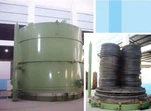
Furnaces are devices that are used for heating applications such as drying, baking and smelting. The working principle behind furnaces is the conversion of electrical, chemical or thermal energy into heat that is used for a specific application. There are various types of furnaces that are used depending on the application they are needed for.
One common type of furnace is the electrical furnace that uses electrical energy to generate heat through resistance heating. A heating element in the furnace is made of a resistive material that is able to generate heat when an electrical current is passed through it. The generated heat can then be used for various applications.
The chemical furnace on the other hand, uses chemical reactions to generate heat. This type of furnace is commonly used in industrial settings where temperatures needed are extremely high. The fuel used for the chemical reaction can be natural gas, oil or coal. Once the fuel is ignited, heat is generated and used for specific purposes.
Thermal furnaces use a different principle. They isolate the heat generated during combustion and transfer it into the desired application. This is done through the use of heat exchangers, which use gases to transfer heat into the desired application. Thermal furnaces are often used in the production of steam, heating water and for running turbines.
One feature that is common to all types of furnaces is the temperature control mechanism. The temperature inside a furnace needs to be controlled in order to prevent overheating or overcooling. This prevents damage to the furnace and ensures that energy is not wasted.
Furnaces are used extensively in various industries and are relied upon for their precision and accuracy in temperature control. One industry that uses furnaces heavily is the metallurgical industry. Furnaces are used in this industry for the production of alloys, melting metals and tempering metals.
The glass industry also makes use of furnaces. Glass manufacturing requires extremely high temperatures for the melting and fusion of raw materials. Furnaces provide the high temperatures required for this process.
Furnaces also find application in the field of research and development. For example, in material science, furnaces are used for sintering, an important process for the production of advanced materials.
In conclusion, furnaces play a critical role in industrial processes as well as in research and development. The type of furnace used depends on the specific application it is needed for. Common features of furnaces include temperature control mechanisms and accuracy in delivering heat to the desired application. Given their importance in various industries, furnaces are considered an integral part of modern-day technology.