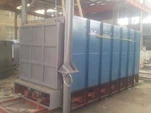
A heating furnace is a crucial appliance used for heating up a building. It is a device that generates heat and supplies it throughout the building, ensuring a comfortable living and working environment. Heating furnaces are an essential appliance in areas with cold climates and are necessary for maintaining the right temperature and humidity levels indoors.
Features of a Heating Furnace
Heating furnaces come in various sizes, designs, and fuel types such as natural gas, propane, oil, or electricity. The features with which they are equipped vary depending on the chosen model. However, some of the common features of modern heating furnaces include:
Energy Efficiency
Modern heating furnaces are designed to be energy efficient, reducing the amount of energy needed to heat up a building. They consume less energy to generate the required heat. This feature ultimately translates to lower energy bills and reduced carbon footprints for homeowners and businesses.
Safety Features
Safety is of utmost importance when it comes to heating furnaces. Modern heating furnaces come with safety features such as automatic shutdown when carbon monoxide levels rise, safety switches that will turn off the furnace in case of over-heating and pressure build-up, and electronic ignition instead of gas pilot lights.
Ease of Use
Modern heating furnaces are designed to be easy to use. They come with digital thermostats that control the temperature, programmable settings, and other user-centric features. They can be easily operated by homeowners, property managers, or tenants.
Comfort
One of the essential aspects of a heating furnace is to ensure that the building's occupants are comfortable. Modern heating furnaces come with features such as variable speed motors that reduce noise pollution, zoned heating to allow different parts of the building to be heated based on the occupants' preferences, and excellent temperature control.
Types of Heating Furnaces
There are three types of heating furnaces that you can consider:
Gas Furnaces – Natural gas is the most common fuel type used for heating furnaces. Natural gas is a clean, energy-efficient fuel source, and modern gas furnaces have energy ratings ranging from 80% to 98%. Gas furnaces are efficient and long-lasting, and the installation is easy for professionals.
Oil Furnaces – Oil furnaces are more common in older homes, and they use oil as a fuel source. They are efficient and reliable, but oil is expensive, and the furnaces require more maintenance. Replacement parts for oil furnaces are also more challenging to find.
Electric Furnaces – Electric furnaces are relatively easy to install and maintain. They are ideal for smaller homes and require only a 220-volt electric supply. They are energy-efficient, but the cost of electricity can lead to high energy bills, which can be too much for a larger home.
Benefits of using a Heating Furnace
Using a heating furnace comes with numerous benefits. They include:
Lower energy bills – Modern heating furnaces are energy efficient. They consume less energy to generate the required heat. This means lower energy bills for homeowners and businesses.
Safe operation – Modern heating furnaces come with safety features that ensure that they operate safely, reducing the risk of accidents.
Increased comfort – Heating furnaces provide a comfortable living or work environment by maintaining the right temperature and humidity indoors.
Increased property value – Installing a heating furnace increases property value, making it a wise investment for homeowners.
Reduced carbon footprint – Modern heating furnaces emit less carbon, which is good for the environment.
In summary, a heating furnace is an essential appliance for anyone living in areas with cold climates. These furnaces come in different sizes, designs, and fuel types and are equipped with numerous features that focus on safety, comfort, and energy efficiency. They are an investment that homeowners and businesses should consider to increase their property value, comfort and reduce their energy bills while minimizing their carbon footprint.