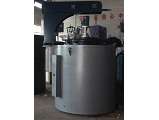
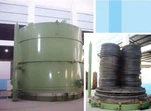
A heating furnace is an essential appliance for winter months or in places with cold weather conditions. It helps in keeping our homes warm and comfortable during cold days and nights. Heating furnaces come in different designs, sizes, and capacities to suit different building structures.
The design and working mechanism of a heating furnace reflect its efficiency and effectiveness in heating homes. Most common heating furnaces use natural gas or propane as a fuel source, while some use electric power. The fuel source drives a burner mechanism that heats the air as it flows through a heat exchanger. The heated air is then distributed through ductwork to different parts of the home to provide warmth.
One of the primary characteristics of a heating furnace is its heating capacity. The furnace's heat output is measured in British thermal units (BTUs) per hour. The higher the BTU rating, the more energy the furnace produces and the larger the space it can heat. The heating capacity of a furnace must be adequate to match the house's size, insulation levels, and local weather conditions. A furnace with a higher BTU rating will cost more upfront, but it may save you money in the long run by heating the space more efficiently.
Another feature of a heating furnace is its efficiency, which is measured in Annual Fuel Utilization Efficiency (AFUE). The AFUE rating indicates how efficiently the furnace converts fuel into heat over the course of a year. A furnace with a higher AFUE rating means that it burns fuel more efficiently, resulting in lower energy costs. The minimum AFUE rating for a modern furnace is 80%, but higher efficiency models are also available, with some reaching up to 98% efficiency.
Modern heating furnaces also come with various safety features. For instance, most modern furnaces have an automatic shut off mechanism in case of a malfunction to prevent any fire hazards. Additionally, some furnaces come with air filters that trap dust and other particles in the air, which improves the indoor air quality.
Another characteristic of a heating furnace is its ease of use and maintenance. Some furnaces need professional maintenance once or twice a year to keep them running efficiently, while others require simple DIY maintenance. Furnaces with easy-to-replace and clean air filters make maintenance more straightforward.
Heating furnaces come with different price points, and the cost of installation and operation varies. The cost of installation depends on various factors, including the size of the furnace, the complexity of the installation, and the type of fuel used. It is essential to budget for all the installation and maintenance costs when purchasing a heating furnace.
In conclusion, a heating furnace is an essential appliance that provides warmth and comfort in cold weather conditions. The efficiency, capacity, and safety features of a furnace play significant roles in choosing the right model for your home.