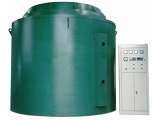
Hangzhou Hangshen Energy-Saving Furnace Co.,Ltd.
Hangzhou Hangshen Energy-Saving Furnace Co.,Ltd. Is the production of energy-saving electric resistance furnace and of the professional manufacturers of industrial furnaces, the first fastener industry association member units, zhejiang province, the company was founded in 1990, organized by super resistance to industrial company, hangzhou enterprise, in 1996 changed its name to hangzhou HangShen energy-saving furnaces co., LTD. Since its inception the company has always adhere to science and technology and the deepening reform. Over the years through the company all staff´s continuous efforts and explore, proud achievements obtained. Is district environmental protection bureau rated industrial furnace drainage standard.
Our Factory
Hangzhou Hangshen Energy-Saving Furnace Co.,Ltd. Is the production of energy-saving electric resistance furnace and of the professional manufacturers of industrial furnaces, the first fastener industry association member units, zhejiang province, the company was founded in 1990, organized by super resistance to industrial company, hangzhou enterprise, in 1996 changed its name to hangzhou HangShen energy-saving furnaces co., LTD.
Our Products
Company to provide clients with all kinds of heat treatment equipment, products include such as air, oil, electric heating carrier of pit type furnace, standard parts industry vacuum annealing furnace, trolley furnace, box-type furnace, push rod furnace, roller furnace, liquid ammonia decomposition furnace, steel wire of the bearing industry article spheroidizing annealing furnace, furnace, total fiber split bell type furnace, gas incinerator, cylinder, fuel heating furnace, quenching furnace, tempering furnace, phosphating, blast furnace and so on more than 30 varieties of more than hundreds kinds of products.
Rich Experience
Company according to the current developments in the field of industrial application potential and develop suitable for drawing, small and medium enterprises, large plate round wire annealing strong convective spheroidizing annealing furnace (combination and production technology in Japan, Europe, Taiwan), and invited Taiwan industrial furnace manufacturing engineers to guide the work, the no.1 stable performance, the comprehensive indexes conform to the requirements, production is ranked the forefront, by the customer the consistent high praise.
Certifications
The industrial furnaces produced by Hangzhou Hangshen Energy-Saving Furnace Co.,Ltd. have obtained a number of domestic certifications and are in line with the quality management system standards. Hangshen industrial furnace is the best choice for you to purchase Chinese industrial furnace.
Related products

Trolley Heat Treatment Furnace
The trolley heat treatment furnace is an energy-saving all fiber trolley type resistance furnace, the shell is welded by steel plate and section steel, the bottom of the furnace body is connected with the trolley light rail.

Well Type Vacuum Bright Annealing Furnace
The well type vacuum bright annealing furnace is suitable for heating treatment such as ordinary annealing before pulling up, such as aluminum wire, copper wire, and round wire.
Annealing Furnace For Standard Parts
The annealing furnace for standard parts is a national standard energy-saving periodic annealing furnace with ultra-energy-saving structure. It adopts composite fiber insulation, ultra-light and high-strength refractory materials, and energy saving is 60%-70%.

Well Type Vacuum Inflation Protection Annealing Furnace
This well type vacuum inflation protection annealing furnace can be used for spheroidizing, annealing and softening annealing of medium and low carbon steel, medium and low alloy steel and other wires.

Well Spheroidizing Annealing Furnace
The well spheroidizing annealing furnace is suitable for spheroidizing annealing of low carbon steel, medium carbon steel, low alloy steel and other wire rods.

Box Type Heat Treatment Furnace
This series of Industrial Box Furnace is a cycle-operated electric furnace. Mainly used for softening treatment of copper, aluminum alloy and other wires.
Strong Convective Spheroidizing Furnace
The strong convective spheroidizing furnace is suitable for spheroidizing annealing of low carbon steel, medium carbon steel, low alloy steel and other wire rods.

Electrical Steel Annealing Furnace
The Electrical Steel Annealing Furnace is suitable for bright annealing of ferrous and non-ferrous wire products in vacuum and protective atmospheres.

Annealing Furnace For Fastener
This series of advance and well type annealing furnace for fastener, also known as pre-vacuum furnace, pre-vacuum annealing furnace, annealing furnace for fastener is an energy-saving high-precision temperature control well type cycle operation furnace.
What is Vacuum Annealing Furnace
Vacuum Annealing Furnace is applied for annealing and aging treatment of a variety of alloy materials, devices (tungsten, molybdenum, niobium, copper alloy, etc.), magnetic materials, electrical steel, magnetic alloy, stainless steel, heat-resistant alloys, copper and its alloys, hydrogen storage alloy, active and hard molten metal. It can also be used for vacuum sintering of magnetic material, diamond, hydrogen storage material reduction. The control system was controlled by PLC, temperature was controlled by intelligent temp controller, accurate control, high automation.
Enhancement of material properties
Vacuum annealing furnace significantly improves the mechanical properties of metals. By heating the workpiece in a vacuum, oxidation is prevented, and the risk of distortion is minimized. This results in enhanced hardness, strength, and wear resistance of the treated materials. Additionally, vacuum annealing helps in achieving a more uniform microstructure, which contributes to better overall material performance.
Preservation of surface integrity
One of the key advantages of vacuum annealing furnace is the preservation of the workpiece's surface. Unlike conventional annealing methods that can lead to surface oxidation, vacuum annealing ensures a clean, oxide-free surface. This is particularly beneficial for materials that are sensitive to oxidation, such as titanium and tantalum. The term "bright annealing" is often used to describe this process due to the bright, clean finish it produces.
Improved dimensional stability
The controlled environment of vacuum annealing furnace also contributes to better dimensional stability. The precise temperature control and uniform heating in a vacuum furnace minimize the risk of warping or other dimensional changes. This is crucial for maintaining the accuracy of parts, especially those used in precision engineering applications.
Enhanced corrosion resistance and toughness
For stainless steel and certain alloys, vacuum annealing furnace can significantly improve corrosion resistance and toughness. The process helps in dissolving internal alloy phases, leading to a more homogeneous structure that is less prone to localized corrosion and more resistant to impact and stress.
What Should Be Noted When Selecting a Vacuum Annealing Furnace
Clear requirements: Firstly, it is necessary to clarify one's own needs, including the type, quantity, temperature, and time of metal to be processed. This will help you choose the device model and configuration that suits your needs.
Understanding brands and manufacturers: Before purchasing, understand which brands of vacuum annealing furnaces are available in the market, as well as their reputation and word-of-mouth. At the same time, it is necessary to understand the production capacity and after-sales service of the manufacturer to ensure the purchase of equipment with reliable quality and complete service.
Test equipment performance: Before purchasing, it is necessary to personally visit the manufacturer or distributor to test the performance of the equipment, including its structure, heating method, vacuum degree, cooling system, etc. At the same time, it is important to understand the operation and maintenance requirements of the equipment to ensure that you can use and maintain it correctly.
Consider price and cost-effectiveness: When purchasing, consider the price and cost-effectiveness of the equipment, and do not blindly pursue low or high prices. Choose the appropriate equipment model and configuration based on your own needs and budget.
Temperature range: Determine the annealing temperature range you need. Different materials and processes may require different annealing temperatures, so when choosing equipment, it is important to ensure that it meets your temperature requirements.
Vacuum requirements: Consider the vacuum requirements of your process. Some processes require extremely low vacuum levels to effectively anneal, so it is necessary to choose equipment with sufficiently high vacuum levels.
Heating method: Vacuum annealing furnaces usually use methods such as resistance heating, electron beam heating, or induction heating. Consider selecting the appropriate heating method based on your process requirements and budget.
Temperature control system: Ensure that the equipment is equipped with advanced temperature control system, which can achieve precise temperature control and stable heating process, to ensure consistency in annealing effect.
Furnace chamber size: Select the appropriate furnace chamber size based on your workpiece size and production requirements. Ensure that the furnace chamber size can accommodate your workpiece and meet the needs of mass production.
Security and ease of use: Consider the safety of the device and the convenience of operation. The equipment should have comprehensive safety protection measures, and the operating interface should be easy to operate, making it convenient for users to operate and monitor.
Vacuum annealing is a specialized heat treatment process conducted in a vacuum environment, which is essentially the absence of an atmosphere. This process is particularly beneficial for certain materials like titanium and tantalum, as it allows for precise control over the heating and cooling phases, leading to improved material properties such as hardness, ductility, and resistance to brittleness.
Vacuum annealing is performed in a vacuum furnace, which creates an environment free from atmospheric gases. This environment is crucial because it prevents oxidation and other chemical reactions that could degrade the material's surface or properties. The vacuum can be complete or may include a partial-pressure atmosphere of inert gases like nitrogen or argon, or reactive gases like hydrogen. This process is often referred to as "bright annealing" due to the high-quality, shiny surface finishes it produces.
The primary benefit of vacuum annealing is the ability to precisely control the heating and cooling rates, which aligns the grains of the metal to achieve optimal hardness without making the material brittle. This makes it particularly suitable for creating high-quality blades and cutting tools that retain their sharpness for extended periods. The process is also beneficial for tempering, where rapid cooling (quenching) and subsequent reheating are used to create hard steel with balanced ductility, essential for extreme applications.
The Main Components of the Vacuum Annealing Furnace
The vacuum heating furnace has a vertical double-layer (water-cooled, vacuum) structure. The bottom end of the furnace body is a fixed flange. It is equipped with an electrode outlet, a thermocouple interface, a vacuum interface (KF25), and a charging and deflating valve (optional). , the upper end is a rotating door to facilitate sample replacement;
A heat shielding layer is installed inside the furnace body to reduce heat loss as much as possible and ensure uniform temperature inside the furnace body;
There are cooling water inlets and outlets on the upper and lower side walls of the furnace body to cool the outside of the furnace body;
The heater uses a non-magnetic high-temperature heater with a maximum power of 800W;
The temperature controller adopts Island Electric EP93 programmable temperature controller and is equipped with a thyristor power adjustment module to achieve precise temperature control;
Workbench
The furnace body is installed on the workbench, which is made of non-magnetic materials to facilitate the entrance and exit of the furnace body to the electromagnet;
The mobile trolley is welded from carbon steel and equipped with an operating panel.
Electronic control system
The electronic control system consists of switch buttons, control relays, etc. The main control power supply is integrated in the mobile car, and the control switch buttons are all set on the operation panel.
Standard parts and accessories (accessories);
Standard parts: Required for equipment. Bolts (nuts, washers), fluororubber seals, etc.
Accessories
One set of heater;
Prepare a set of sealing rubber rings and oxygen-free copper washers.
The vacuum acquisition and measurement system is integrated into a movable car to form a standard vacuum unit, which is connected to the furnace body through a metal bellows.
Main components: One 600L/S molecular pump; one molecular pump transition chamber; one 4L/S mechanical pump; one digital display composite vacuum gauge; one solenoid valve; vacuum pipelines and metal hoses.
Electromagnet, Current Source, Gaussmeter.
In order to ensure the long-term uninterrupted operation of the electromagnet, magnetoelectric and annealing furnace body of this project, the above three equipments need to be cooled by circulating water.
Technical parameters of split circulating water cooler:
1. Optional PID intelligent temperature controller with temperature control accuracy of ±1°C;
2. Large cooling capacity of 12KW;
3. Flow rate 12-38L/min;
4. Comes with compressor overheating protection, overcurrent protection, high and low pressure protection, phase sequence/phase loss protection, exhaust Gas overheating protection.
How to Install Vacuum Annealing Furnace
With reference to the drawings to provide the vacuum annealing furnace layout, installation location and civil conditions, choose a permanent installation of equipment and civil construction. Installation site should be free of dust pollution, clean environment, dry air, should not be put together with other equipment to keep the room temperature 10-35℃, the ground smooth and smooth.
The installation of graphite heating elements and water-cooled electrode, it should be noted:
● Take the graphite components to be extremely careful to prevent damage;
● To reliably tighten the bolts to achieve good electrical contact, do not use too much force to avoid thread break.
According to the vacuum system diagram will be vacuum system positioning, assembly and connection with the furnace. Assemble the O-ring with a thin layer of vacuum grease and tighten the flange evenly.
According to the water cooling system diagram, the inlet pipe and drain were connected to the furnace inlet and outlet, to provide pressure 0.1-0.15MPa, the temperature is not less than 15℃, not higher than 30℃ water, it is best to provide circulation Water, rusty water.
To provide the minimum pressure of 0.5MPa pneumatic gas source, available industrial nitrogen, such as compressed air, then bring their own "three pieces" (such as oil mist, pressure reducer, water separator).
According to the back of the gas system diagram will be connected to the pipeline on the charge back, and the proposed purity of 99.99% -99.999% of the high purity nitrogen as a recharge gas.
According to the electrical wiring diagram of the power supply connected to the corresponding electrical contacts, check the power supply voltage, connect the control box, power box and the furnace between the wire and cable.
The installation of the remaining parts, including the catheter, measuring instruments and so on.
The furnace and the control box are grounded, grounding resistance≤4 Europe, instrumentation and vacuum gauge regulatory cable should also be grounded.
1. Send water first, check the water is smooth, water pressure р> 0.lMPa, or not allowed to open the furnace.
2. Turn on the mains and close the power supply.
3. Open the mechanical pump, respectively, open No. 1, No. 2 gate.
4. Close the total power of the vacuum gauge, turn on the thermocouple power, adjust the heating current (current adjusted to 128A) to measure the vacuum.
Current is 22mA when the vacuum is 10-1Torr (13.3Pa);
Current is 84mA when the vacuum is 10-2Torr (1.33Pa);
Current is 98mA when the vacuum is 10-3Torr (0.133Pa);
When the current is 10OmA, the degree of vacuum is 10-4Torr (0.0133Pa).
5. After the vacuum is higher than 1.33Pa, open the No. 3 vacuum valve, so that the vacuum inside the diffuser also reached 1.33Pa or more.
6. Diffusion pump heating, about 40min later, the pump oil heating evaporation, then closed the No. 2 vacuum valve, and then open the high vacuum valve.
7. Vacuum higher than 0.133Pa after the closure of "thermocouple power", open the "ionization meter power", with the ionization meter to measure the degree of vacuum.
8. Adjust the electronic potential difference gauge needle to the required temperature value, adjust the "PID" to the specified proportional band and integral, the differential time (the proportion of 40% to 150%, the integration time is 6 ~ 2.5min, Differential time is 5 ~ 4min).
9. Turn the circuit power "Manual" knob to the minimum, the switch to the "automatic" position, the "PID" regulator "manual" to the minimum, the switch hit the "manual" position, and connected to "PID "power supply.
10. Electric furnace power supply, adjust the "PID" of the "manual", so that the three-phase ammeter output indicates a basic balance in the 30 ~ 70A.
11. When the furnace temperature is close to the reference value, set the "PID" furnace temperature control from "manual" to "automatic" for automatic control.
12. After the insulation time to meet the requirements, such as the process requirements with the furnace cooling, can be closed electric furnace power supply. Such as the process requirements to control the cooling, that is, "PID" from the "automatic" hit "manual", by "manual" to adjust the cooling.
13.350℃ above are not allowed to close the water and vacuum system, closed diffusion pump, you must first close the high vacuum valve, and then close the No. 3 vacuum valve, open the No. 2 vacuum valve.
14. When closing the mechanical pump, first close the No. 2 vacuum valve, and then closed the power supply.
15. When the furnace temperature is higher than 150℃, are not allowed to deflate and open the lid.
16. Work process must strictly abide by the above-mentioned safety technology manipulation procedures, are not allowed to leave the post, often pay attention to check the water, equipment, vacuum, motor, transformer, fan, meter and other operations are normal, abnormal, timely report processing.
Repair and Maintenance of Vacuum Annealing Furnace
Vacuum annealing furnaces are used to heat materials to high temperatures in a vacuum environment, typically to improve their mechanical properties. These furnaces are an important tool in the manufacturing industry, and their proper maintenance and care are critical to ensuring their performance and longevity.
Importance of maintenance for vacuum annealing furnaces
Regular maintenance is essential for the proper operation of vacuum annealing furnaces. Without proper maintenance, the furnace may not perform optimally, which can lead to decreased efficiency, longer processing times, and higher costs. In some cases, neglecting maintenance can result in safety hazards or even permanent damage to the furnace.
Maintenance tasks for vacuum annealing furnaces may include cleaning the furnace chamber and heating elements, replacing worn or damaged components, checking for leaks or other issues in the vacuum system, and calibrating temperature and pressure sensors.
Proper maintenance can also extend the lifespan of a vacuum annealing furnace. By addressing issues early on and performing regular maintenance tasks, the furnace can continue to operate efficiently and effectively for many years, saving the manufacturer money on replacement and repair costs in the long run.
Tips for maintaining vacuum annealing furnaces
Regular Cleaning: The furnace chamber and heating elements should be regularly cleaned to remove any buildup of contaminants or debris. This will help to prevent damage to the heating elements and ensure proper temperature control.
Check for Leaks: Leaks in the vacuum system can compromise the quality of the vacuum and lead to poor performance. Regularly check for leaks and repair them promptly to ensure optimal performance.
Calibrate Sensors: Temperature and pressure sensors should be regularly calibrated to ensure accurate readings.This will help to maintain proper control over the annealing process and prevent any issues from arising.
Replace Worn Components: Over time, components such as o-rings, gaskets, and seals may wear out and need to be replaced. It is important to regularly inspect these components and replace them as needed to prevent leaks or other issues.
Schedule Regular Maintenance: Regular maintenance should be scheduled to ensure that the furnace is properly maintained and any issues are addressed promptly. This may include annual inspections, cleaning, and replacement of worn components.
FAQ
Hot Tags: vacuum annealing furnace, China, manufacturers, suppliers, factory, company, wholesale, buy, cheap, products, Heat Treatment Control Machine, Electric Heating Annealing Furnace, Annealing Furnace For Carbon Stee, Heat Treatment For Metal Fasteners, Box Type Tempering Furnace, Heat Treatment Furnace For Fasteners